
Unconscious bias is not a personal indictment or a character flaw; it is a feature of human cognition. Every executive, hiring manager, and procurement evaluator relies on mental shortcuts developed over a lifetime of experience.
In co-authoring Unconscious Bias: A Book About People and facilitating corporate workshops across the country, our goal was never to generate guilt. It was to build conscious decision architectures that interrupt automatic assumptions before they compromise business outcomes.
The Cost of Unexamined Assumptions in Procurement
In the procurement arena, unconscious bias rarely manifests as overt hostility. Instead, it appears as "comfort bias" — the instinctive preference for legacy vendors with whom decision-makers share informal cultural or social affinities.
This comfort bias creates invisible barriers for qualified emerging contractors who may possess superior capabilities, greater agility, and more competitive pricing, but lack existing boardroom relationships.
Building Structural Checkpoints
Awareness alone does not change behavior. Lasting change requires structural checkpoints in corporate workflows:
- Blinded Technical Evaluations: Evaluating vendor capability statements and RFP responses on merit scores before revealing ownership identities.
- Structured Interview Protocols: Replacing conversational 'gut feel' interviews with standardized performance criteria.
- Debrief Rigor: Requiring explicit written justifications when non-incumbent qualified bidders are passed over.
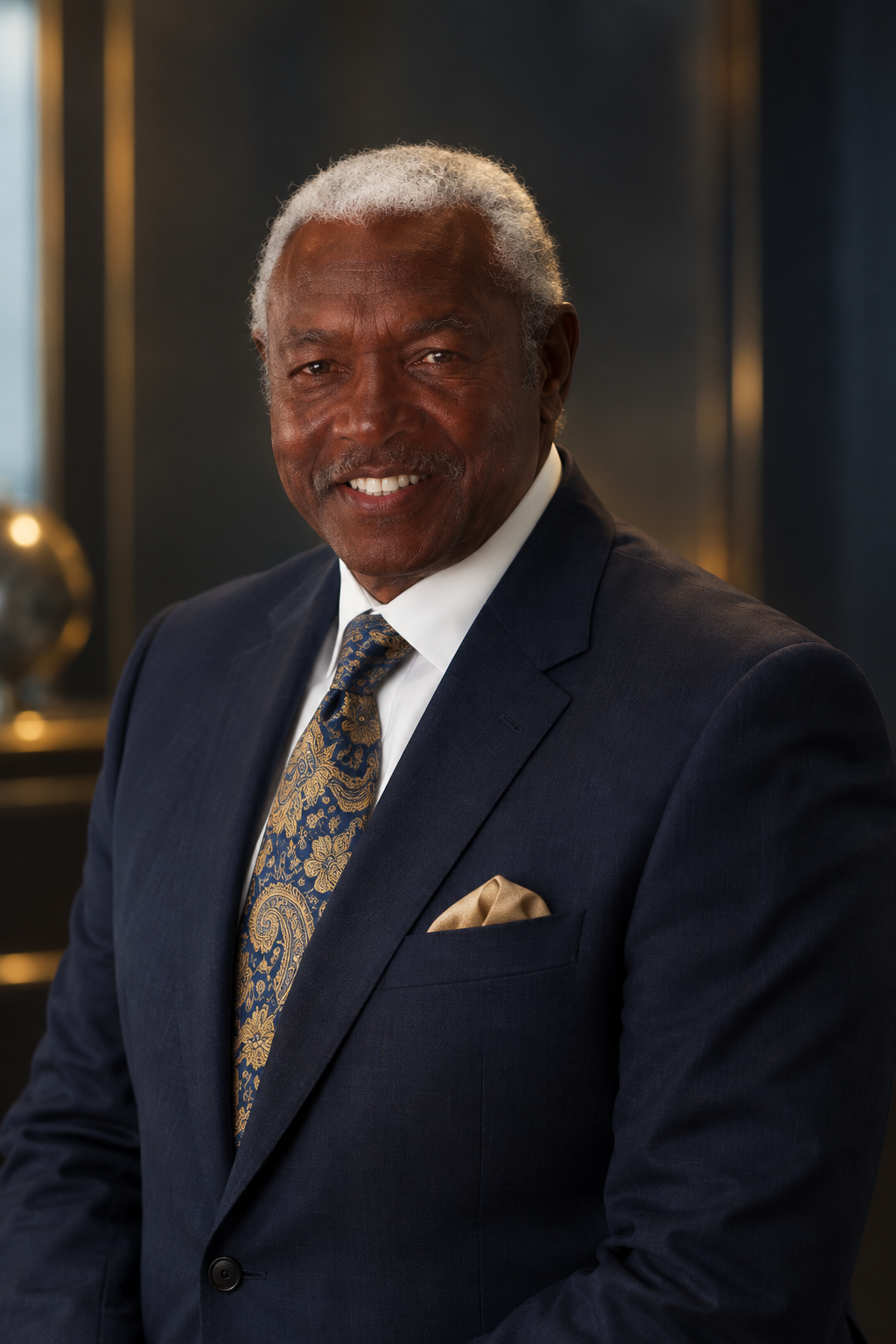
Harvey L. Phelps
Co-author of Unconscious Bias: A Book About People and senior facilitator for corporate and municipal leadership teams.
Inquire About Executive Workshops →Book an Unconscious Bias Leadership Workshop
Engage Harvey L. Phelps to facilitate board briefings, executive retreats, or leadership development sessions.
Request Workshop Details